

Activecare Physical Therapy
Pelvic Floor Therapy in Erie
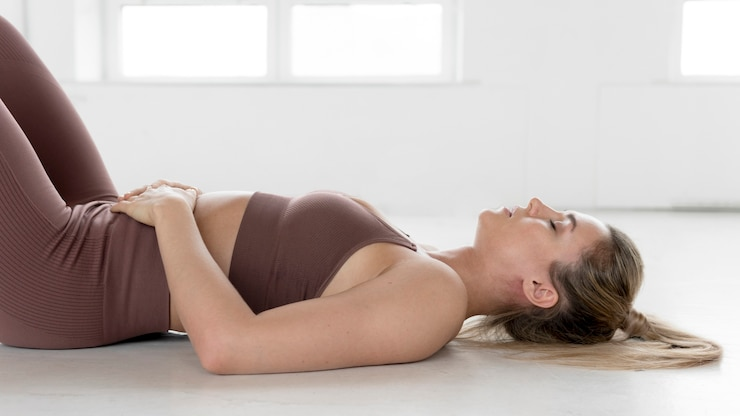
Regain Pelvic Health with Expert Pelvic Floor Therapy in Erie, PA
If you’re struggling with bladder leaks, pelvic pain, or discomfort, you don’t have to live with it. Pregnancy, childbirth, surgery, and aging can weaken the pelvic floor, leading to incontinence, urgency, and pain. At Activecare Physical Therapy, our pelvic health specialists use advanced, evidence-based techniques to restore function, relieve pain, and help you regain control.
Specialized Pelvic Health Care
The pelvic floor is a complex system of muscles, nerves, and tissues that play a vital role in bladder control, bowel function, posture, and sexual health. When these muscles become weakened or strained, they can lead to a range of issues, including loss of bladder or bowel control, pelvic organ prolapse, and chronic pelvic pain or muscle tension.
Other common symptoms include an overactive bladder, painful intercourse, and difficulty with bowel movements, such as constipation. Addressing pelvic floor dysfunction through targeted therapy can help restore strength, improve function, and alleviate discomfort.
Proven, Non-Invasive Treatment Plans
Our therapists create customized treatment plans that target the root cause of pelvic floor dysfunction, ensuring effective and lasting relief. Hands-on therapy helps relieve muscle tightness and improve mobility, while biofeedback training enhances muscle coordination for better control.

Margaret Laird

I started Physical Therapy with pain in my leg after treatments by Julie Johnson I am able to walk without pain.She is very caring and talks you through all treatments I would highly recommend Activecare Physical Therapy You are greeted by Sara who is very cheerful and nice

Wanda Claudio
I appreciate the gentleness and professional care I have received here as I recover from a very painful knee surgery. Activecare’s staff is amazing and knowledgeable. I always look forward to my next visit.
Treatment may also include strengthening exercises to improve stability, posture and movement correction to prevent recurring issues, and lifestyle modifications to support pelvic health. Relaxation techniques are incorporated for effective pain management, promoting long-term comfort and function.
Why Choose Activecare Physical Therapy for Pelvic Floor Therapy in Erie?
Unlike generalized physical therapy, pelvic floor therapy targets the underlying dysfunction with specialized, non-surgical techniques. Our team has advanced training in pelvic health conditions, including postpartum recovery, painful bladder syndrome, and chronic pelvic pain disorders.
What to Expect at Your First Visit
Most pelvic floor conditions stem from hidden muscle imbalances, making a thorough assessment essential. During your consultation, we will:
- Review your medical history and symptoms
- Perform a movement and posture analysis
- Assess pelvic floor muscle function and nerve involvement
- Develop a tailored treatment plan for optimal recovery
This process ensures your therapy is both precise and effective.
The Lasting Benefits of Pelvic Floor Therapy in Erie
- Stronger Pelvic Function – Targeted treatments reduce pain, leaks, and muscle weakness
- Greater Confidence & Independence – Restore control over bladder and bowel function
- Non-Invasive, Drug-Free Relief – Effective solutions without surgery or medication
- Personalized One-on-One Care – A treatment plan built around your specific needs and goals
Your Treatment Journey
Each patient’s progress is unique, but therapy typically follows these key phases:
- Pain & Symptom Relief – Hands-on techniques, biofeedback, and relaxation exercises ease discomfort
- Nerve & Muscle Re-Education – Restore proper function and coordination
- Strength & Stability Training – Improve posture, core strength, and pelvic control
- Long-Term Maintenance – A structured home program ensures continued progress and prevents setbacks
Frequently Asked Questions
How do I know if I need pelvic floor therapy?
If you’re experiencing bladder leaks, pelvic pain, pressure or heaviness in the pelvis, pain with intercourse, or difficulty fully emptying your bladder or bowels, pelvic floor therapy may help. Many people in Erie seek pelvic floor physical therapy after pregnancy, surgery, or when symptoms gradually worsen over time—even without a clear injury.
Can pelvic floor therapy help with bladder leaks or urinary urgency?
Yes. Pelvic floor therapy is one of the most effective, non-surgical treatments for bladder leaks, urinary urgency, and frequent trips to the bathroom. By improving muscle strength, coordination, and control, pelvic floor physical therapy can significantly reduce or eliminate leakage for many patients.
Do I need pelvic floor therapy after pregnancy or childbirth?
Pelvic floor therapy is commonly recommended after pregnancy and childbirth, even if symptoms seem mild. Many women experience changes in bladder control, core strength, or pelvic stability postpartum. Early treatment can help prevent long-term issues and support a safer return to daily activities and exercise.
Can pelvic floor therapy help with painful intercourse or pelvic pain?
Yes. Painful intercourse, pelvic pain, and muscle tension are often linked to pelvic floor dysfunction. Pelvic floor physical therapy focuses on releasing tight muscles, improving blood flow, and restoring proper movement patterns to reduce pain and improve comfort.
Is pelvic floor therapy internal or uncomfortable?
Pelvic floor therapy is always patient-centered and explained in advance. Some techniques may involve internal assessment, but this is not required for every patient and is only done with your consent. Many treatment methods are external and focus on movement, breathing, posture, and muscle coordination.
Meet Our Pelvic & Women’s Health Specialist
At Activecare Physical Therapy, pelvic floor and women’s health therapy is led by Julie Johnson, DPT, a Doctor of Physical Therapy with a clinical focus on pelvic health conditions affecting women.
Julie works closely with patients experiencing pelvic floor dysfunction, bladder control issues, pelvic pain, and pregnancy- or postpartum-related concerns. Her approach emphasizes individualized care, patient education, and evidence-based pelvic floor physical therapy techniques designed to restore function, improve comfort, and enhance overall quality of life.
Take the First Step Toward Relief
Pelvic discomfort, leaks, and pain do not have to be part of your life. At Activecare Physical Therapy in Erie, we provide expert, individualized care designed for lasting relief.
Appointments are limited—schedule your consultation today.